
WELCOME TO MY BLOG
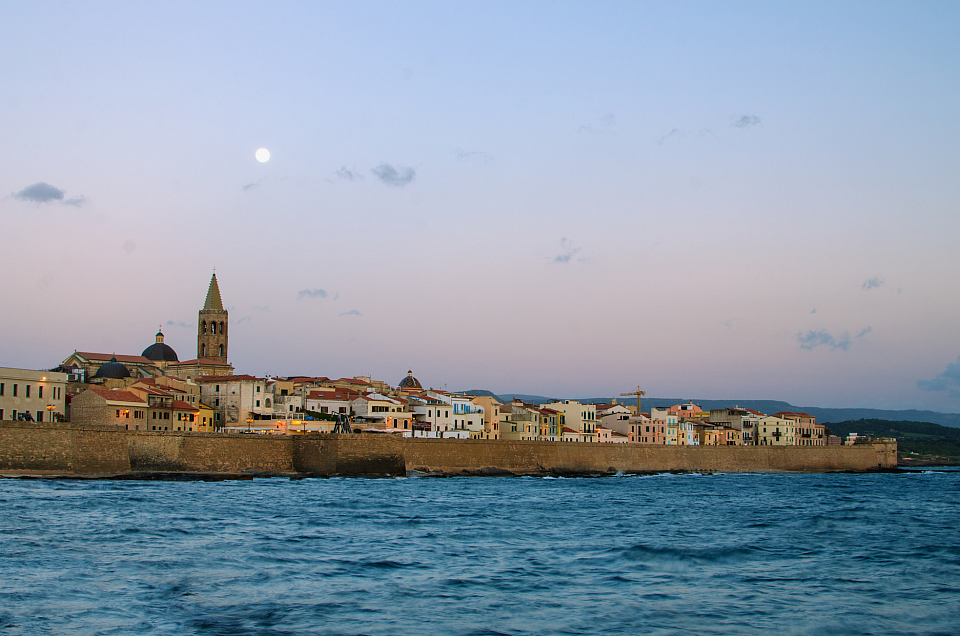
Alghero. Coastal calm and steady form
A city shaped by everyday coastal presence
Alghero has evolved through constant contact with the sea rather than through dramatic change. Located in alghero sardinia italy, the city reflects a long coexistence of architecture, landscape, and daily life. Its form feels settled and familiar, shaped by repeated use and time rather than by spectacle.
Across alghero sardinia, the coastline provides structure. Stone walls follow the edge of the land, while open sea views remain part of daily movement. The Mediterranean is always near – shaping light, sound, and spatial perception. This closeness gives Alghero a composed and readable character.
Routine as a way of understanding
Much tourist information alghero sardinia highlights routes and landmarks, yet the city is best understood through routine. Morning movement near the harbor, extended stillness during the day, and calm evenings along the coast reveal a place guided by balance. Alghero allows experience to unfold naturally.
Elements that shape the experience
– Coastal fortifications facing the sea
– Neptune’s Grotto shaped by water and stone
– The harbor as part of everyday urban life
– Cuisine influenced by maritime and regional traditions
Alghero must see is not defined by intensity or quantity. It is the experience of quiet coherence between landscape, history, and everyday life.
The original post can be viewed on the main Love Italy Club website
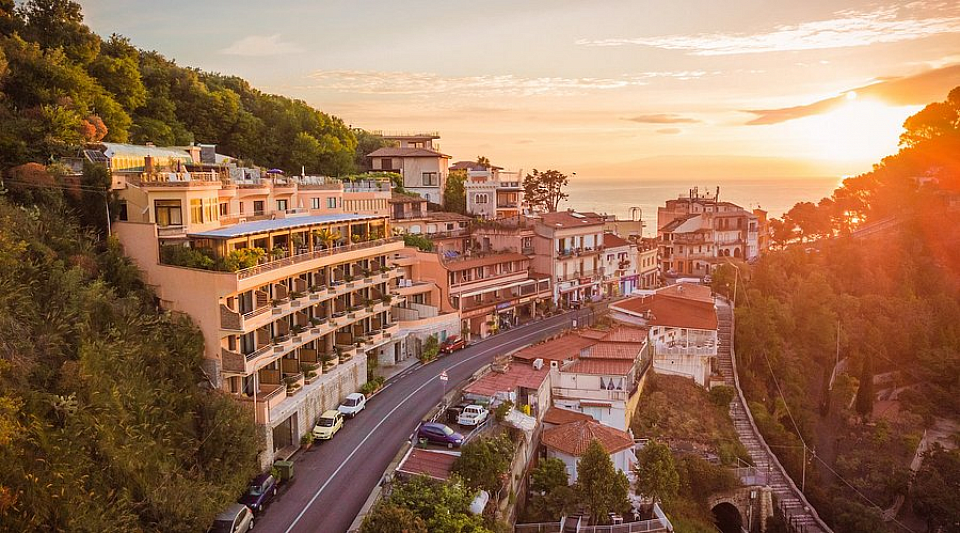
How Taormina gently reveals its essence as the seasons slowly progress
A town shaped by calm seasonal balance
Taormina moves through the year with a steady Mediterranean cadence. Spring, summer, autumn, and winter arrive without sharp contrasts, subtly shaping light, pace, and atmosphere. This continuity defines the experience of 4 seasons taormina, where change feels present yet never disruptive.
Spring openness and renewed ease
Spring brings softness and clarity to Taormina. From March to May, mild temperatures, blooming gardens, and fresh air invite unhurried exploration. Historic streets encourage long walks, and cultural spaces return quietly to daily life. Staying at four seasons san domenico palace taormina during spring highlights renewal through calm terraces and expansive views.
Summer warmth and coastal vitality
Summer introduces brightness and motion. Long days draw daily life toward the sea, while evenings unfold with festivals, music, and conversation. Beaches below the town become lively social spaces shaping the seasonal rhythm. At the four seasons hotel taormina, summer feels refined and composed, supported by elevation and thoughtfully designed surroundings.
Autumn depth and local rhythm
Autumn allows Taormina to slow naturally. As visitor numbers decrease, everyday routines become more visible and the atmosphere grows intimate. Harvest season enriches cuisine, markets feel fuller, and light softens across stone streets. This period reveals a quieter expression of four seasons taormina, grounded in texture and local tradition.
Winter stillness and reflective calm
Winter in Taormina remains mild and contemplative. While Mount Etna may appear snow-capped in the distance, the town itself stays comfortable for walking and discovery. Museums, churches, and cafés invite slower engagement. Choosing four seasons san domenico palace taormina during winter emphasizes warmth, privacy, and timeless serenity.
A destination beyond seasonal limits
Taormina does not rely on one ideal season to define its appeal. Each part of the year adds nuance while preserving identity. Spring offers clarity, summer celebrates life, autumn restores balance, and winter encourages reflection. This continuity explains why four seasons hotel taormina remains relevant throughout the year.
Read the full version of this article on our main website Love Italy Club
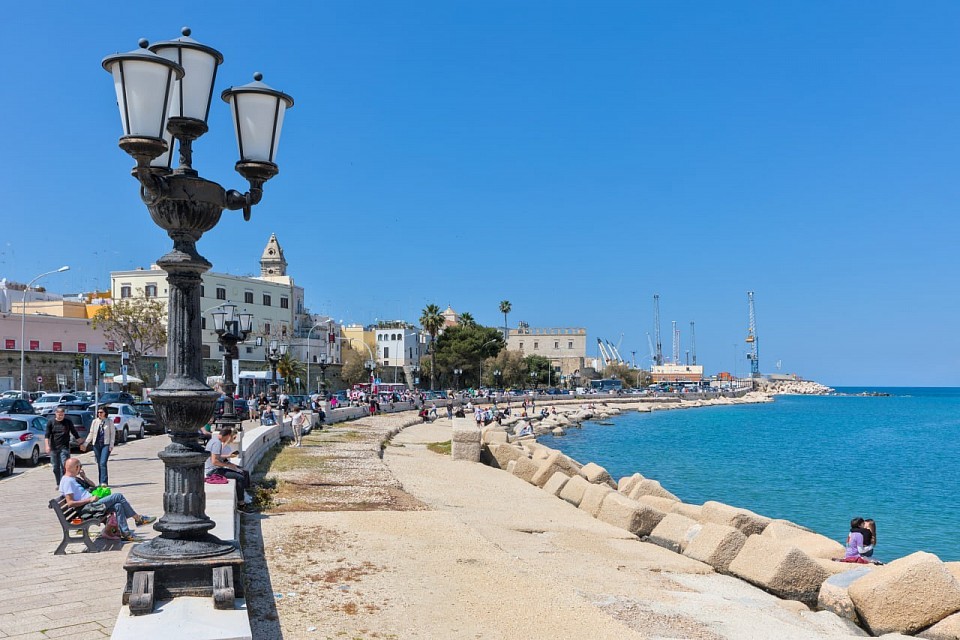
Bari Italy tourist attraction formed by the calm of southern Puglia
A place that reveals itself slowly
Bari does not rely on immediate impact. Many travelers entering through bari south italy expect a coastal city defined by visuals, yet Bari introduces itself through steadiness. Streets follow their purpose, the port works quietly, and the sea remains a constant presence rather than a spectacle.
This approach defines the appeal of bari tourism italy. The city allows time to shape perception, encouraging attention to rhythm instead of highlights.
The coast as a daily framework
The Adriatic shoreline structures daily movement in Bari. The Lungomare functions as an open corridor connecting routines rather than a destination to be reached. People pass through it naturally, guided by habit and familiarity.
Through this relationship, bari puglia italy shows how the sea supports balance. It frames the city’s tempo without dominating its identity.
Bari Vecchia and lived continuity
Among known bari italy tourist attractions, Bari Vecchia holds a distinct role because it remains inhabited. Daily life unfolds openly between stone walls, where routine defines space more strongly than architecture.
Historical layers remain present yet unobtrusive. This coexistence allows the district to preserve continuity while remaining fully active.
Atmosphere shaped by light and air
Bari changes through subtle transitions. Light shifts across façades, sea air enters narrow streets, and sound carries differently as the day progresses. These variations define how bari south italy is felt rather than observed.
Urban beaches nearby extend this atmosphere. They remain integrated with city life, offering openness without interruption.
Food as everyday expression
Cuisine in Bari reflects long-standing habit. Recipes remain direct, ingredients local, and preparation unchanged. This simplicity mirrors the values behind bari tourism italy.
Markets operate as practical spaces of exchange. Through them, bari puglia italy expresses identity through routine, not presentation.
The impression that endures
Bari often acts as a gateway, yet its influence remains personal. Visitors tend to remember consistency, atmosphere, and a sense of belonging within daily life.
Even those focused on bari italy tourist attractions often leave with an understanding shaped by balance, restraint, and lived tradition.
The full version of this article can be read on the main website Love Italy Club
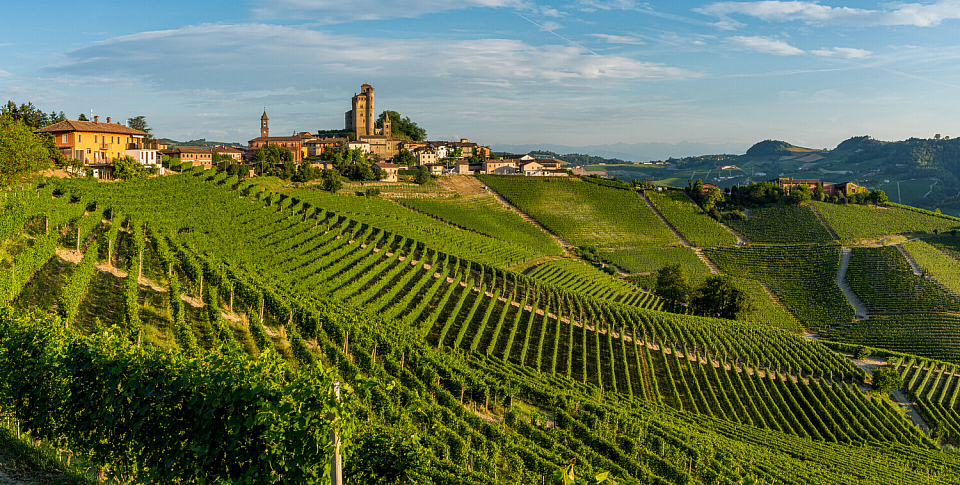
Alba italy tourism shaped by continuity, craft, and quiet presence
Experiencing Alba beyond first impressions
Alba does not rely on immediate impact. Its identity unfolds through sustained attention, where landscape, routine, and human scale work together. Vineyards extend across the hills with quiet confidence, and town life follows patterns refined over time. This gradual revelation defines alba italy tourism as an experience built on observation rather than emphasis.
Visitors often find that their way of moving changes naturally. The absence of pressure allows awareness to widen, drawing attention to light, texture, and rhythm. Alba becomes less a destination and more a process of understanding.
Landscapes that regulate pace
The countryside around Alba subtly organizes travel. Vineyards align with slope and exposure, wooded areas create pauses, and narrow roads link settlements without urgency. Routes feel intuitive, shaped by the land rather than imposed design.
Even short journeys reveal transitions — a terrace opening onto the Langhe, a small chapel above the vines, or a farmhouse integrated into the hillside. These shifts demonstrate how the environment itself reinforces alba italy tourism by setting a measured tempo.
Everyday life as cultural structure
Culture in Alba is embedded in repetition. Markets, cafés, and workshops function within rhythms shaped by long use and shared memory. Traditions continue not as heritage displays, but as practical responses to place.
For travelers, this creates a sense of involvement. Time spent in town feels participatory, offering insight into how community and landscape remain interdependent.
Wine informed by long observation
Winemaking in Alba develops through careful attention to natural conditions. Families cultivating Nebbiolo, Barbera, and Dolcetto respond to soil behavior, seasonal weather, and microclimate rather than fixed technique. Knowledge evolves gradually, shaped by experience.
As a result, wine tasting alba italy emphasizes understanding over presentation. Tastings reveal how vineyard decisions influence structure and balance long before fermentation begins.
Taste as regional language
Tastings usually unfold through conversation rather than format. Producers explain altitude, exposure, and climate, helping visitors connect flavor with physical context.
Over time, wine tasting alba italy becomes a way of interpreting the region itself, where taste reflects geography, memory, and continuity.
Regional awareness through wine routes
Moving beyond individual estates offers broader perspective. Alba wine tours connect viewpoints, vineyards, and approaches to winemaking into a coherent regional framework.
Through these journeys, alba wine tours show how a shared landscape supports diversity while maintaining a recognizable identity across the Langhe.
The full version of this article is available on the main website of Love Italy Club
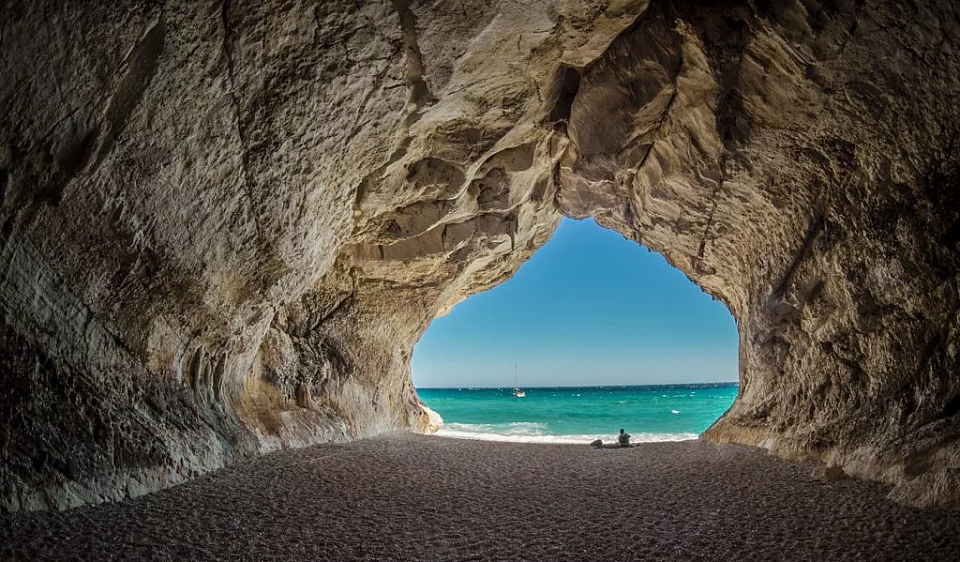
Adventure tourism in italy seen through Sardinia and all inclusive travel
Where travel becomes a gradual unfolding
Sardinia does not reveal itself immediately. The island allows travel to emerge slowly, shaped by repeated movement and a growing sensitivity to space. In this setting, adventure tourism in italy is experienced as continuity rather than intensity, formed by distance, terrain, and a calm attentiveness to the surroundings.
While many Italian journeys are built around dense cultural routes, Sardinia offers a different logic. Here, the landscape leads, and the traveler follows, learning to move with the island rather than through it.
1. Italy’s diversity, Sardinia’s restraint
Italy is rich in geographic contrast, yet Sardinia feels unusually restrained. The island appears shaped more by natural forces than by human intervention, preserving a sense of openness that is increasingly rare.
Steep limestone cliffs along the coast, wide interior plateaus, and deep canyons create conditions where adventure travel italy becomes direct and physical. Routes such as Selvaggio Blu, the paths above Baunei, and the descent into Su Gorropu canyon demand awareness and balance. These are landscapes meant to be engaged with slowly and respectfully.
2. Moving with the seasons
Sardinia’s character shifts with the year, but its essence remains unchanged. Spring opens inland trails and elevated routes. Summer brings focus to the coastline, where calm bays, sea caves, and clear water guide daily movement. Autumn restores openness and warmth without crowds, while winter draws attention to the interior, where villages and valleys feel suspended in time.
Within this seasonal cycle, all inclusive holidays italy offer quiet support. Comfort simplifies logistics and allows travelers to focus on terrain, weather, and distance. Local cuisine mirrors this simplicity – culurgiones, pane carasau, porceddu, and seadas remain closely tied to land and tradition.
3. Understanding Sardinia through movement
To understand all about sardinia italy, one must cross the island. Observation alone is not enough. Cala Luna’s curved shoreline, the vertical walls of Su Gorropu, the narrow descent into Sa Tappara, and the scattered nuraghe structures communicate through form and endurance.
These places are not framed as spectacles. Meaning develops gradually, through repeated contact and time spent within the landscape.
4. All inclusive travel as continuity
Despite its rugged appearance, Sardinia remains accessible. Areas associated with all inclusive resorts sardinia italy are often positioned near natural routes and coastal paths. Orosei, Cala Gonone, Arbatax, and Villasimius allow smooth transitions between rest and exploration.
Here, comfort does not separate the traveler from nature. It maintains rhythm, enabling recovery while keeping a constant connection to the surrounding environment.
5. What the island leaves behind
Sardinia’s influence settles quietly. Travelers often experience a slower internal pace, clearer awareness, and a renewed sensitivity to movement and space. The island does not overwhelm with excess – it refines perception.
This is why Sardinia holds a distinctive place within adventure tourism in italy. The journey remains not as a sequence of destinations, but as a lasting change in how space, time, and presence are felt.
The full version of this article is available on the main website of Love Italy Club
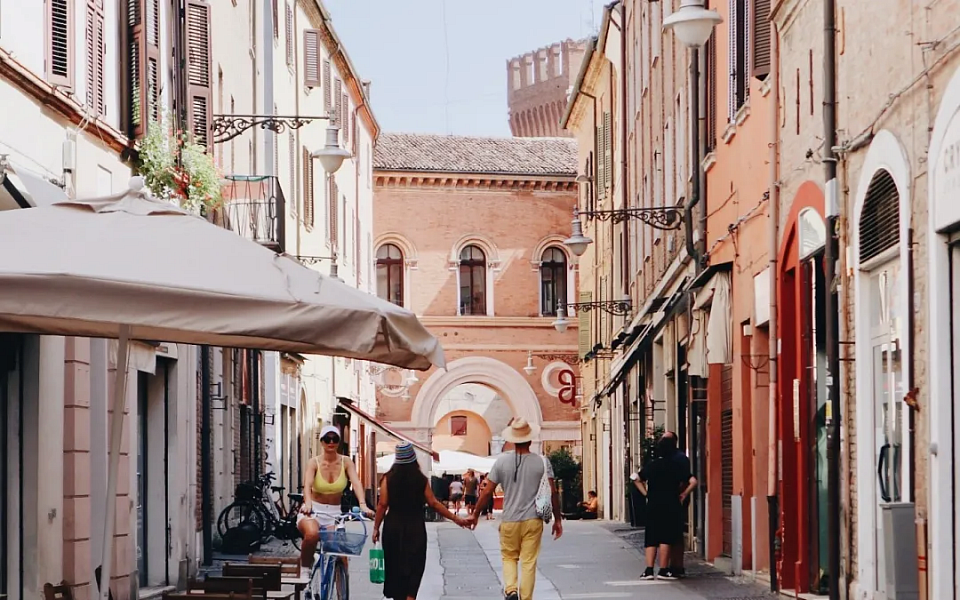
Italy of Stone Quiet: Soft Colors, Narrow Streets, and the Charm of Small Quarters
Facades That Carry the Sound of Time
To feel Italy, you only need to stop beside an old house and look closely at its surface.
Many places reveal photos of old Italian facades with time-worn plaster, brick emerging in warm spots, traces of once vibrant frescoes, and darkened rain lines.
These walls resemble a living historical record.
Shades That Shape the City’s Mood
Italian streets are painted in natural tones no artist could replicate.
Looking at the colors of old Italian building facades, you notice ochre variations, soft terracotta, muted browns, and sandy warm tones.
This palette wasn’t applied – it formed gradually through light, climate, and decades of weather.
Streets That Preserve the Breath of the Past
Italy feels most alive in its narrow ancient passages.
Walking through Italian streets with historic houses, you sense how the walls create a natural corridor and how the light shifts as it touches their uneven surfaces.
Stone paving softens footsteps, while old balconies hang low as if framing the scene.
It’s a quietness you don’t hear – you feel it.
Small Towns Shaped by Life Itself
The truest Italy appears where houses and streets formed organically over centuries.
In the ancient Italian quarters for walking, stairways lead to hidden corners, multi-level streets follow the hill, and tiny squares emerged from daily routines rather than plans.
This is where the unusual architecture of small Italian towns becomes especially visible – irregular, warm, and deeply alive.
The full original post is available on the Love Italy Club website.
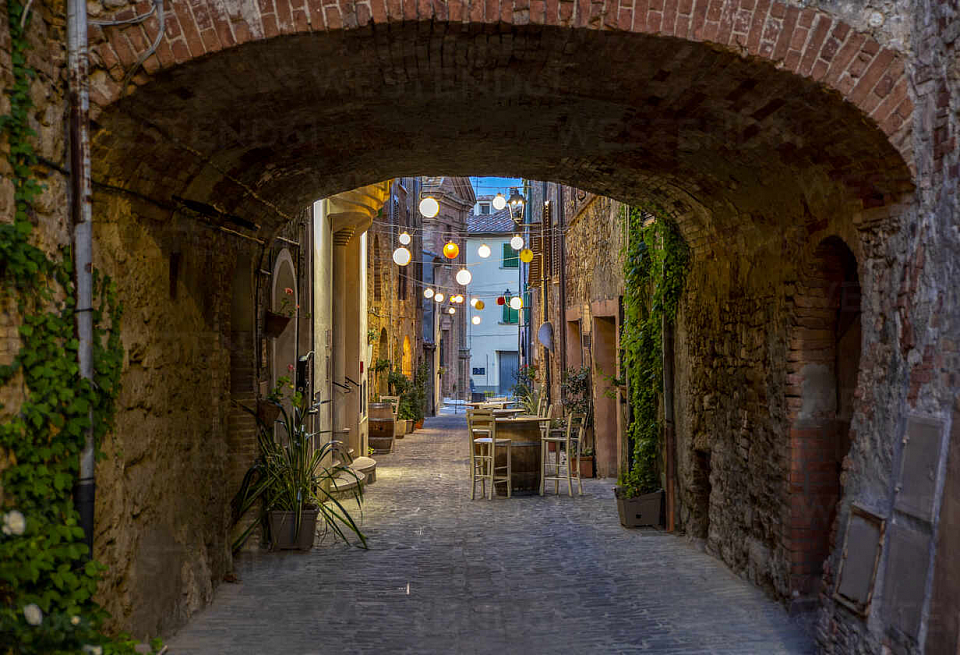
Echo of Steps – The Sounds of the Past in Modern Cities
The City That Listens to Itself
Sometimes I think that cities never truly forget. They simply learn to live with their memories – quietly, between sounds.
You walk through a street in Naples, where scooters buzz like hornets, and beneath all that noise lives another echo – the footsteps of those who walked there centuries ago. Soldiers, craftsmen, lovers. Their voices have faded, but the rhythm of their lives still resonates in the stones.
Every Italian city has its own kind of hearing.
In Venice – the whisper of water and the gentle beat of oars.
In Rome – the ring that bounces between the ancient walls.
And in Florence – the faint toll of a tower clock reminding us that time never dies; it simply changes its tempo.
When Sound Becomes Memory
Some sounds live longer than we do.
The click of heels on wet cobblestones, the creak of a door opened by a hundred hands, the tolling of bells across rooftops.
These sounds are soaked into the walls. They become part of the architecture – hidden notes in the great symphony of the city.
Once, standing on a narrow street in Siena, I listened to my footsteps echo after the rain. And suddenly, I realized – it wasn’t just my echo.
It was theirs too. The city was answering back.
The Music of Old Streets
Modern cities often seem loud yet silent – too fast to truly listen.
But Italy knows how to hold sound gently.
Here, the hum of a market isn’t chaos – it’s pulse. The murmur of a café isn’t chatter – it’s life breathing.
And when night falls, the old streets begin to sing by themselves:
water drips from a fountain that has seen generations meet,
the wind plays with the shutters marked by time,
somewhere far away, a bell counts the seconds of eternity.
This is the music of old streets – unwritten, unplayed, yet eternal.
Where the Past Doesn’t Leave – It Whispers
The past doesn’t disappear. It just grows quieter.
Italian cities know this well – their sounds don’t die; they dissolve into the air, into the stones, into the shadows of alleys.
Sometimes, if you close your eyes, you can hear everything:
a street musician’s laughter, a monk’s slow steps, the ring of a blacksmith’s hammer, the song of women by the well.
We don’t hear it with our ears – we hear it with our hearts.
And maybe that’s why, walking through old streets, you feel a strange calm – as if you’re not alone.
Because in every echo, in every sound, someone’s past becomes your present.
The Silence That Speaks
When the day fades and the city falls into twilight, I love to stop in the middle of the street and just listen.
Sometimes, silence itself feels like a sound – the sound of gratitude.
It seems to whisper: “We are still here. We still remember.”
In that moment, the present stops arguing with the past. They merge, like two voices singing in harmony.
And you understand: the echo of footsteps isn’t just sound –
it’s life, continuing through time.
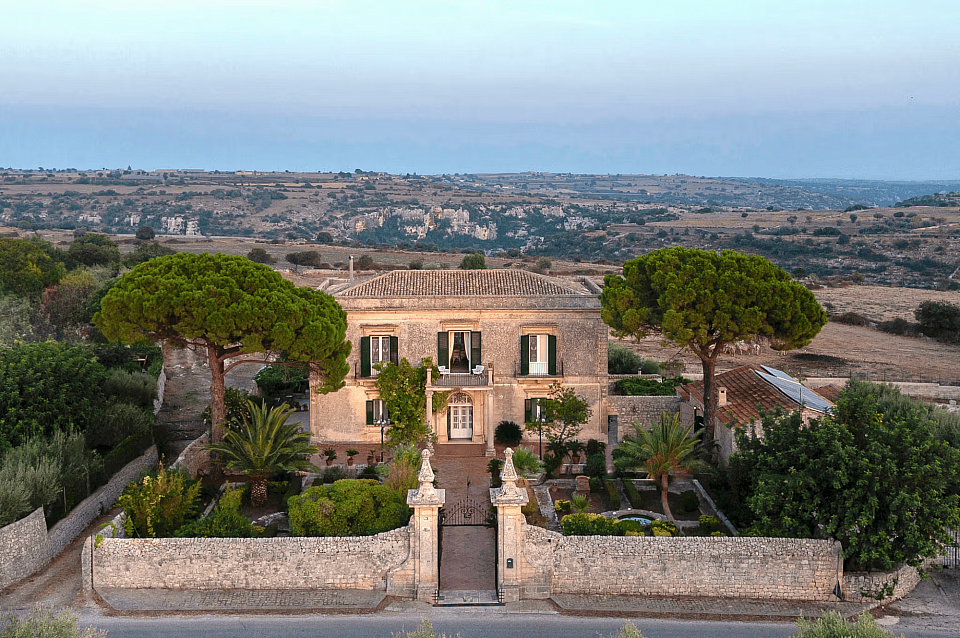
Architecture of Time – The Houses That Remember
When I walk through Italian streets, I often feel that the walls can speak.
They don’t stay silent – they tell their stories. Sometimes softly, when the wind slides along the facades; sometimes brightly, when the sun paints them in golden tones.
In Tuscany, in small hill towns, the houses seem to lean against one another, as if to keep the warmth of human voices inside. And in Apulia, beneath the white roofs of the trulli, the stones remember the hands that built them centuries ago. Every house here is not just a shelter – it’s a living being that exists in time.
Traces of the Past on the Walls
Look closely at the cracks in the plaster, the faded shutters, the steps worn down by countless feet – in these details lives the breath of centuries.
Once, I stood before an old villa near Florence. Its balcony was peeling, the railings rusted, yet the whole house radiated dignity – like an old aristocrat who had survived fashion, wars, and forgetfulness.
Such houses don’t simply grow old – they mature. Their imperfections make them beautiful.
There’s no gloss in them, but there is soul. And perhaps that’s the essence of Italy’s beauty – not in perfection, but in time that leaves its marks with grace.
Houses Where Memory Lives
Some houses still echo with laughter, though no children run through the yard anymore. In some kitchens, you can still sense the scent of bread and wine; in the gardens, the laurel whispers conversations long forgotten.
I love stepping into such places – even if only the walls remain. They still hold warmth.
Memory doesn’t live in objects; it lingers in the air.
Sometimes I feel that if you hold your breath, you can hear the footsteps of the past – the creak of a door that remembers the last time it was closed.
Architecture as the Soul of a People
The architecture of time is more than stone and clay tiles – it’s a way of remembering.
Every era, every style is humanity’s attempt to leave a trace.
We build not only for comfort, but for meaning. And in Italy, this truth is everywhere: from Roman ruins to modern villas, everything speaks of a love for life.
A home is an extension of the human spirit.
That’s why Italian houses are always a little theatrical, a little emotional. They aren’t afraid to be vivid, old, or imperfect – because in that lies the true reflection of Italy itself.
When the Sun Touches the Old Walls
In the evening, when the sky turns amber, I love to watch how the light rests upon the walls of an old quarter.
In those moments, time seems to pause. The stone softens, the air thickens with the scent of the sea and wine, and everything breathes memory.
I often think – these houses have seen more than any of us. They have witnessed generations, love, solitude, joy, and silence.
They are the keepers of what never dies.
And perhaps that’s why I always return to them – because when you listen to the walls, you learn to listen to yourself.
